

 Apple Podcasts

 Spotify

 YouTube
 Audible
 Overcast
 RSS Feed
Amy Cottrill on Trust, Maintenance Calls, and the Human Side of HVAC Sales
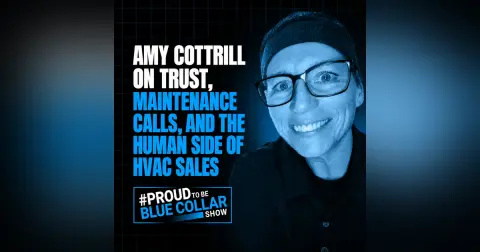
Amy Cottrill joins Chris Crew and Jeremy Self to unpack the people side of high-performing HVAC sales. From her path out of social work and into the trades to the way she approaches maintenance calls, Amy explains why listening, trust, authenticity, mentorship, and genuine service matter more than a perfect pitch.
She did not build her career in HVAC by becoming the loudest salesperson in the room. Her advantage came from understanding people.
In this conversation with Chris Crew and Jeremy Self, Amy reflects on the path that brought her from social work into the trades and the lessons that carried with her. A maintenance call is more than a piece of equipment and a checklist. It is an opportunity to understand the homeowner, listen for what matters, build credibility, and make recommendations from a place of genuine service.
The episode also digs into the habits behind consistent performance: staying curious, learning from strong mentors and teammates, building confidence in the value of the work, handling rejection without losing your approach, and creating a culture where people help one another improve. The takeaway is simple: strong numbers are often the result of strong relationships.
KEY TOPICS
• Amy’s path from social work into HVAC
• Why people skills transfer directly into home-service sales
• Treating maintenance calls as relationship-building opportunities
• Reading the customer as carefully as the equipment
• Asking questions before making recommendations
• Trust, authenticity, and earning the right to offer options
• Balancing technical knowledge with emotional intelligence
• Presenting solutions without creating pressure
• Building confidence in the value of the work
• Learning through mentorship and strong teammates
• Handling rejection and staying consistent
• Why camaraderie and culture improve individual performance
CHAPTERS
00:00 — Meet Amy Cottrill
03:35 — From Social Work to the Trades
07:30 — Why People Skills Matter on a Service Call
11:10 — The Opportunity Inside a Maintenance Call
15:05 — Read the Customer, Not Just the Equipment
18:55 — Ask Better Questions and Listen
22:55 — Build Trust Before You Recommend
26:50 — Present Options Without Pressure
30:45 — Confidence, Belief, and Customer Value
34:35 — Mentorship, Teammates, and Getting Better
38:35 — Handling Rejection and Staying Consistent
42:15 — Culture and Camaraderie in the Trades
45:20 — People First, Sales Follow
NEXT STEP
On your next maintenance call, delay the recommendation. Ask one more question than you normally would, listen for what the homeowner actually values, and make sure your options solve that problem—not simply the problem you expected to find.